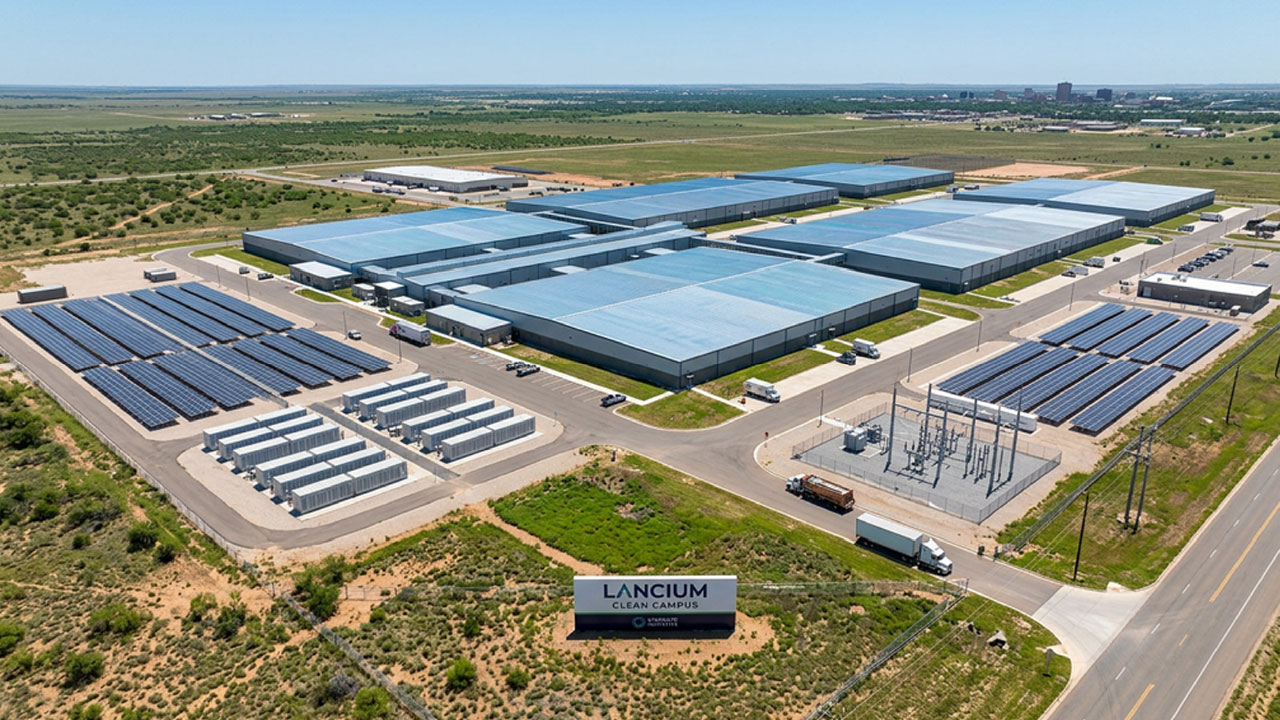
Brazil and Chile are identified as the countries with the greatest potential to become hubs for implementing data centers in Latin America. A study carried out by BTG Pactual shows that both have a strong capacity for attracting investments, including benefits for the electrical sector. This protagonism is gaining more and more relevance in the United States technology market, where the supply chain is under pressure due to advances in artificial intelligence (IA).
According to BTG, In the US alone, demand for data centers is expected to grow 31 GW (2024) to 83 GW even 2030. In that same period, The energy consumption of these centers is expected to increase 4% to 11,7% of total energy production in the country. But, so that Brazil and Chile can consolidate themselves as implementation hubs, it will be necessary to adjust regulatory frameworks, simplifying negotiations and investments and taking advantage of existing infrastructures.
Inclusive, BTG Pactual criticized the Provisional Measure (MP) 1.307/2025 Brazilian, which defines criteria for data center companies to enjoy tax benefits granted to Export Processing Zones (ZPE). The bank assesses that the current MP could limit rather than expand Brazilian competitiveness in the sector. “If Brazil and Chile know how to capture the opportunity, facing their respective inefficiencies, both countries could become a paradise for data centers”, bring the study.
Opportunities in the electrical sector
One of the segments that can be directly favored by the growth of data centers in Latin America is the electrical sector. The expectation is for an increase in demand as they allow for longer and more consistent contracts, in addition to reducing regulatory barriers. “Energy distributors in impacted regions would benefit from greater investments”, points out the survey.
Furthermore, energy supply companies could see their shares rise in value, becoming even more attractive to investors. Not Brazil, companies like Eletrobras, Marriage, Copel, Engie and Cemig stand out for their robust portfolios. In the telecommunications sector, operators such as Vivo and Entel also tend to benefit from the expansion of digital infrastructure.