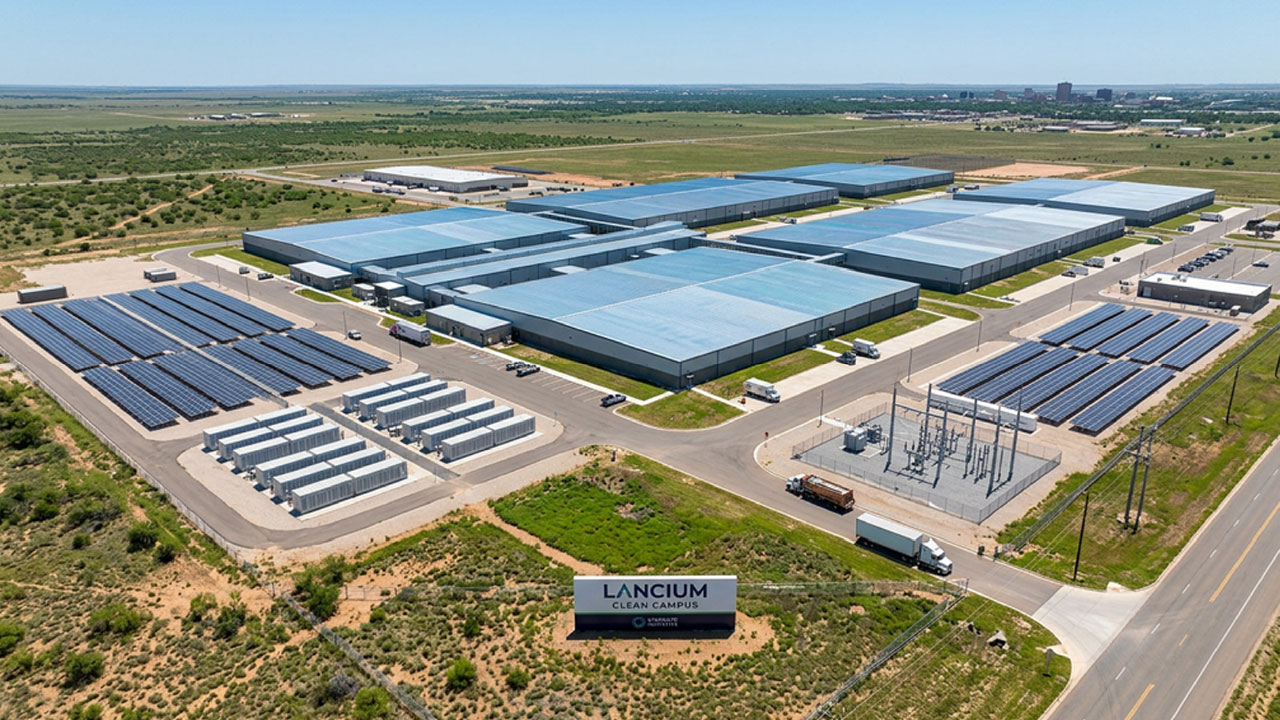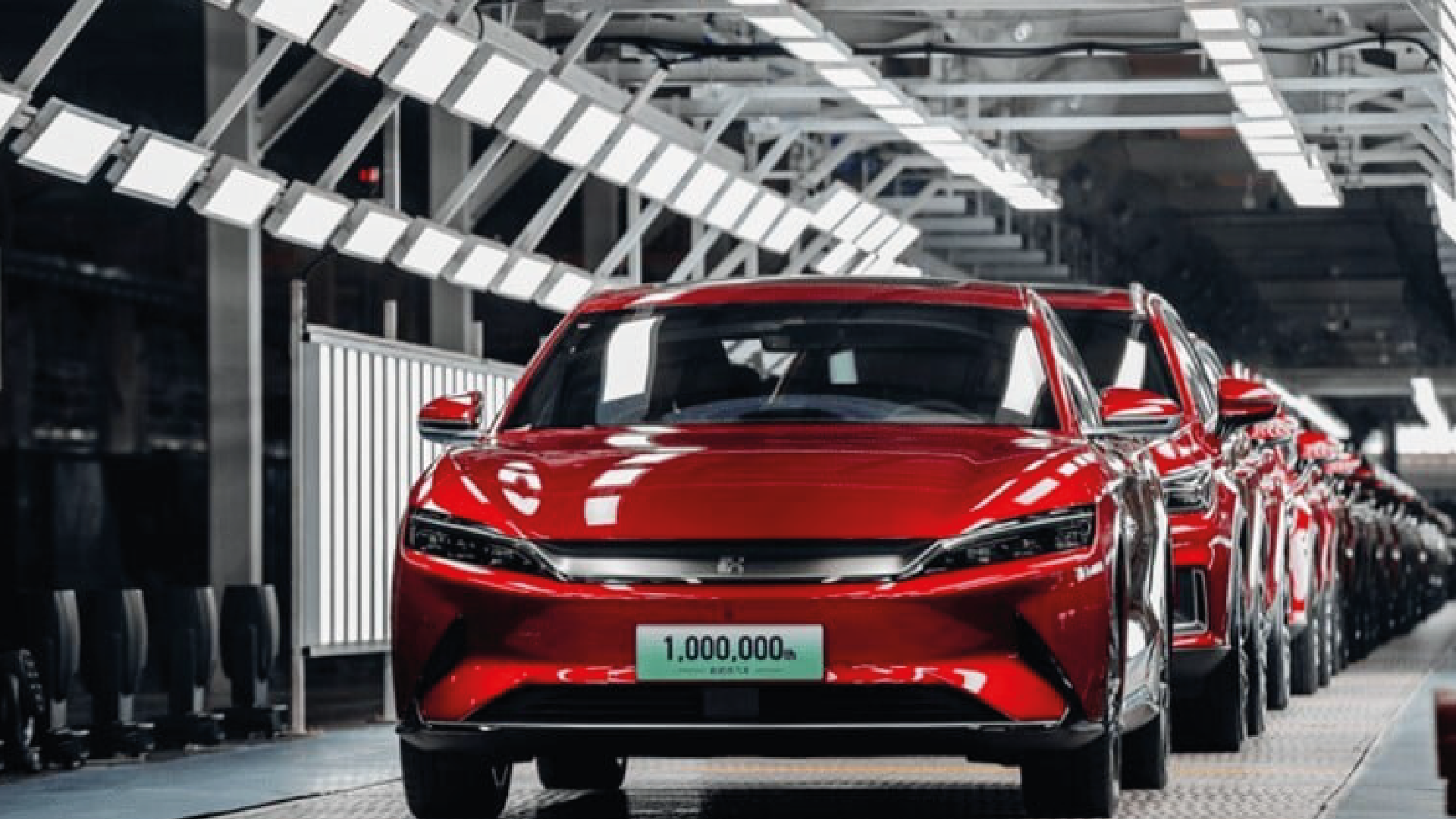
The Chinese company BYD is preparing to implement its project located in Bahia. The electric car manufacturer will officially launch a project to build three manufacturing plants in October. The new BYD structure will be built where the Ford automaker complex previously stood.
BYD has been working to make Brazil a new power in the industry. Even because, after China and Thailand, Brazil is the third country to receive an electric and hybrid car factory. In this way, The company's forecast is that Brazil will have 30% of green fleet with electric and hybrid vehicles using ethanol over the next few years.
To reach this level, the company's total investment will be R$ 3 billion, allowing an automaker with the production capacity of 150 thousand hybrid and electric cars per year. This will also have impacts on the generation of local jobs.
The new Silicon Valley
Stella Li, responsible for BYD operations in Latin America, states that they will be created 5 thousand vacancies in manufacturing alone within three years. Based on this, the company's goal is high: transform Salvador into a kind of Silicon Valley. Like this, the proposal is to encourage the implementation of other companies and industries that use green technology.
At the moment, China has 50% of its green fleet is made up of purely electric and hybrid vehicles. The proposal is that Brazil has similar adhesion and penetration, although, with the difference that hybrid vehicles will be able to use ethanol.
BYG units
A project unit focused on Bahia will be responsible for assembling the vehicles. The other two are expected to produce electric trucks, bus chassis, in addition to carrying out all the processing of lithium and iron phosphate cells, which are raw materials for car batteries.
The executive, what is there 28 years at the head of the company, states that all BYG's research and development department is focused on technologies aimed at Brazil. Stella Li states that the Brazilian market has strong potential, but what, despite the prediction, It is important to have public incentives to expand the fleet.