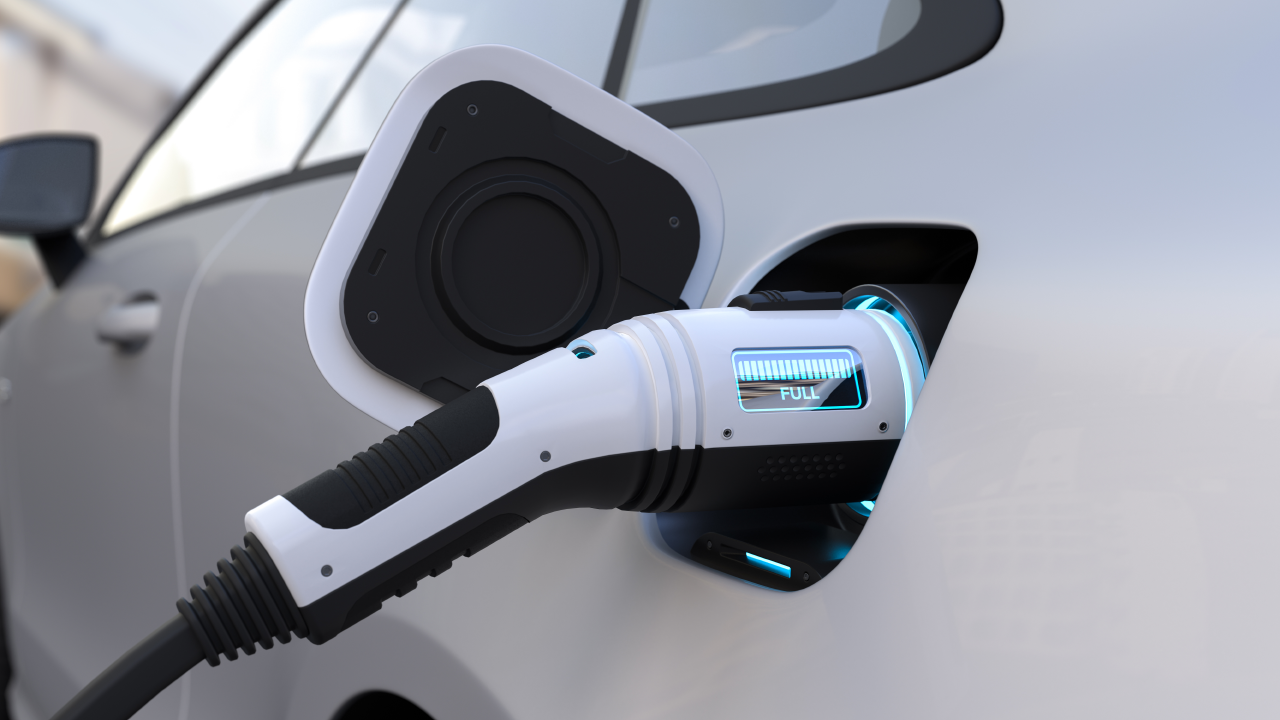
Unlike the global market, car sales 100% electricity had important growth in Brazil. With sales at a rapid pace, By September the country had already recorded an accumulated 492,8%. To compare sales rates, em 2023 the accumulated amount was 24,6%.
Business has been motivated by Chinese brands that are gaining space in the national market. They offer competitive prices compared to traditional automakers and advantages for some products with combustion engines. Even with these growing rates, the number of electric vehicles is not as significant on Brazilian soil as compared to other places in the world.
Number of vehicles on the street
At the moment, Brazil has 45,7 thousand units of cars of this model in operation, which only represents 3,2% of the total number of vehicles sold in the last analysis period. For comparison, not uk, which is just after Brazil in general sales volume, cars that only run on batteries already add up 269,9 thousand units.
To China, although, world leader in the automotive sector and also the largest manufacturer in this market, already has 4,2 million electrical units sold. Nonetheless, in general, sales of electric cars have suffered a sharp slowdown in recent months.
Drop in global sales
High prices, lack of charging infrastructure and end of subsidies were some of the factors that caused sales to fall 9 of the 10 largest global markets in this segment, including the United States and Germany.
Nonetheless, hybrid vehicle models, that combine a combustion engine and an electric engine, and the plug-in hybrid model, have recently performed better in these same markets.
At least, the numbers are higher than those recorded between January and September 2023. China achieved an increase in 14,2% in sales during this period. Em 2023, although, the discharge including vehicles 100% electrical equipment had been more than 25%, according to a global report from consultancy PwC.
The movement reaffirms the idea that energy transition through all-electric fleets will be slower than expected. To strengthen the segment, hybridization was already Brazil's choice. But, would be using flex technology, which allows fueling with ethanol or gasoline.