The high consumption of media has brought television closer to the e-commerce market. In addition to the frequent use of cell phones, In recent times, Brazilians have also increased their demand for television content. A survey commissioned by Mercado Ads, carried out by Ipsos, pointed out that 64% of the population that browses on their cell phones also simultaneously watches some TV or streaming content.
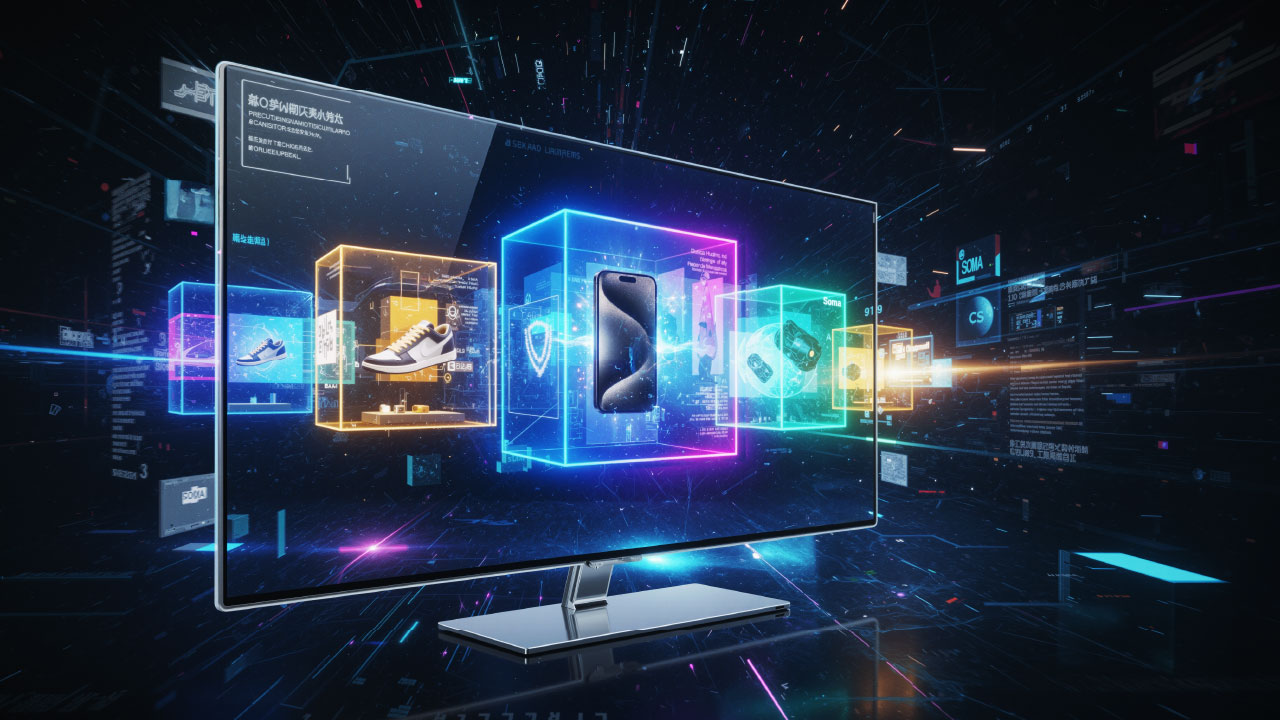
Yet, 55% They say they are looking for a product or even make purchases on their cell phone while watching television. The survey considered Brazilians from different regions, genders and socioeconomic levels. This market trend and the high consumption of multiscreens are giving new meaning to TV functionality, bringing it closer to online sales platforms. In the TV era 3.0, brands start to rethink their content strategies, incorporating purchasing tools and interactive features via the television.
The expectation is that consumers will have more autonomy and choice options, with personalized ads and content, in addition to the possibility of purchasing. The ESPM professor (Higher School of Advertising and Marketing), Master in Consumer Behavior and Media Research Manager at the DM9 agency, John Oliver, states that the data shows the public's interest in being connected to the digital environment on a daily basis.
The relationship between what happens online and what is watched on TV creates a continuous flow of comments, interactions and reactions about soap operas, reality shows and other formats. For him, the trend is for the TV to become a natural extension of the smartphone, offering applications, shopping features and content hubs. Yet, recorded productions will allow exclusive interactions and experiences for users.
Purchase by QR Code
The connection between TV and smartphone will enhance marketing and sales strategies. When a product appears on the screen accompanied by a QR Code, television no longer acts only in the consideration phase and starts to function as a direct conversion channel. The purchase can be completed in a few clicks, without the viewer abandoning the audiovisual experience.
João Oliver also explains how this logic impacts user behavior. “That’s the importance of a video, inside the ‘device’, where you choose what you want to consume, at the time you want to consume and, especially, who will speak. If you don't like A's news, you go to B. If you don't like the content of C, you go to the D. And you have a plurality, create the menu of what you want”, says Oliver.
Behavior influenced by the pandemic
The increase in the simultaneous use of screens is also a response and consequence of the pandemic.. In recent years, the Smart TV market expanded and the preference for watching streaming content and even YouTube on larger screens grew. During this period, consumers started looking for more comfortable formats, immersive and TV-centric, which once again played a prominent role in domestic digital consumption.
Given this scenario, Oliver reinforces that brands must invest in quality, and not just in invasive advertisements. “Today the fight is for your attention, above all. Not just for the audience point. The TV is playing, you are on the smartphone, and if something catches your attention, you quickly switch screens. But you are the one in charge.”, ends.