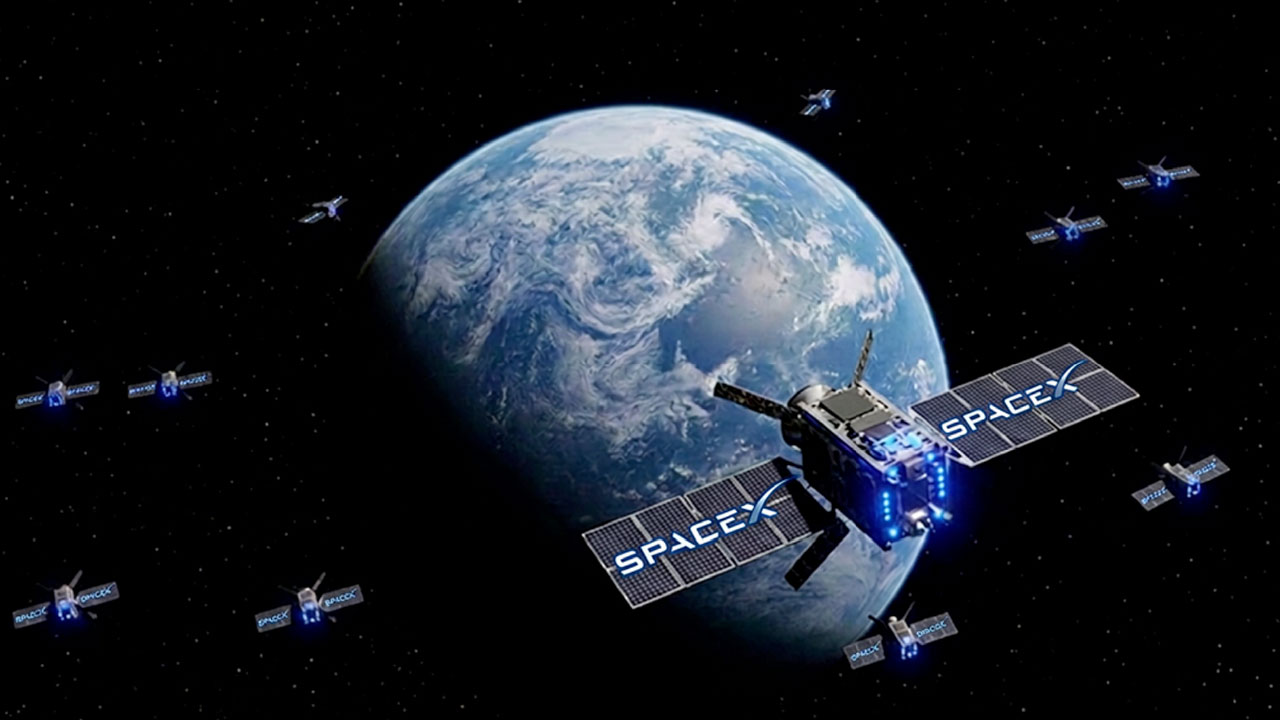
SpaceX took a quantum computer away from Earth for the first time in history. Transporting 70 payloads for space, the company launched the Transporter-14 mission, aboard the foguete Falcon 9, this Monday (23). The quantum device will operate at 550 kilometers above our planet, with the proposal to revolutionize data processing and the way Earth observation is carried out.
The equipment will also be used for climate monitoring, communications and even quantum research. Furthermore, will serve as an experiment to evaluate the computer's capabilities and performance in adverse conditions. The device was developed at the University of Vienna, by a team led by Philip Walther, and is designed to withstand extreme temperature fluctuations, vibrations from space travel and radiation.
Efficiency and reduction in energy consumption
According to Walter, this mission will allow “to test the performance and durability of quantum hardware under extreme conditions”. The innovation model is a satellite photonic quantum computer. Therefore, uses photons (light particles) as qubits to perform your calculations and answers. That's why, The purpose of the equipment is to collect space data and make the most detailed observation of the planet.
Through edge computing, the first results obtained by the computer should be sent to Earth one week after the device enters orbit. Reduced energy consumption and a more efficient response time are other advantages achieved with this computer. The benefits occur because the data collected in space (how to detect forest fires, for example) will be processed on board and will not need to be sent raw to Earth.
Use in new missions
Beyond the quantum computer, other important payloads were also taken to space by SpaceX's Transporter-14 mission. Among them are satellites, cubesats, reentry capsules, materials for research and even cremated remains and human DNA. Because it is highly adaptable, the quantum computer could be used in future missions.