NASA announced another stage of the special Artemis program. Expected for 2027, the Artemis III mission will be responsible for carrying out tests in low Earth orbit, in the vicinity of the International Space Station (ISS), focusing on validating technologies that will be used in future lunar operations. This Tuesday (9), NASA announced the crew scheduled for the mission:
Randy Bresnik, commander; Luca Parmitano, Italian Space Agency pilot; and André Douglas and Frank Rubio, mission specialists. Initially, Artemis III would be a lunar trip. However, NASA announced the mission change in February this year. According to the space agency, the main objective of the change is to reduce risks in future landings on the Moon and improve technologies that will be used in the program's next missions.
Estimated duration of two weeks, the mission will serve to validate technologies and procedures for space exploration and the natural satellite, as landing modules, docking systems and equipment aimed at exploring the lunar surface.
How the Artemis III mission will work
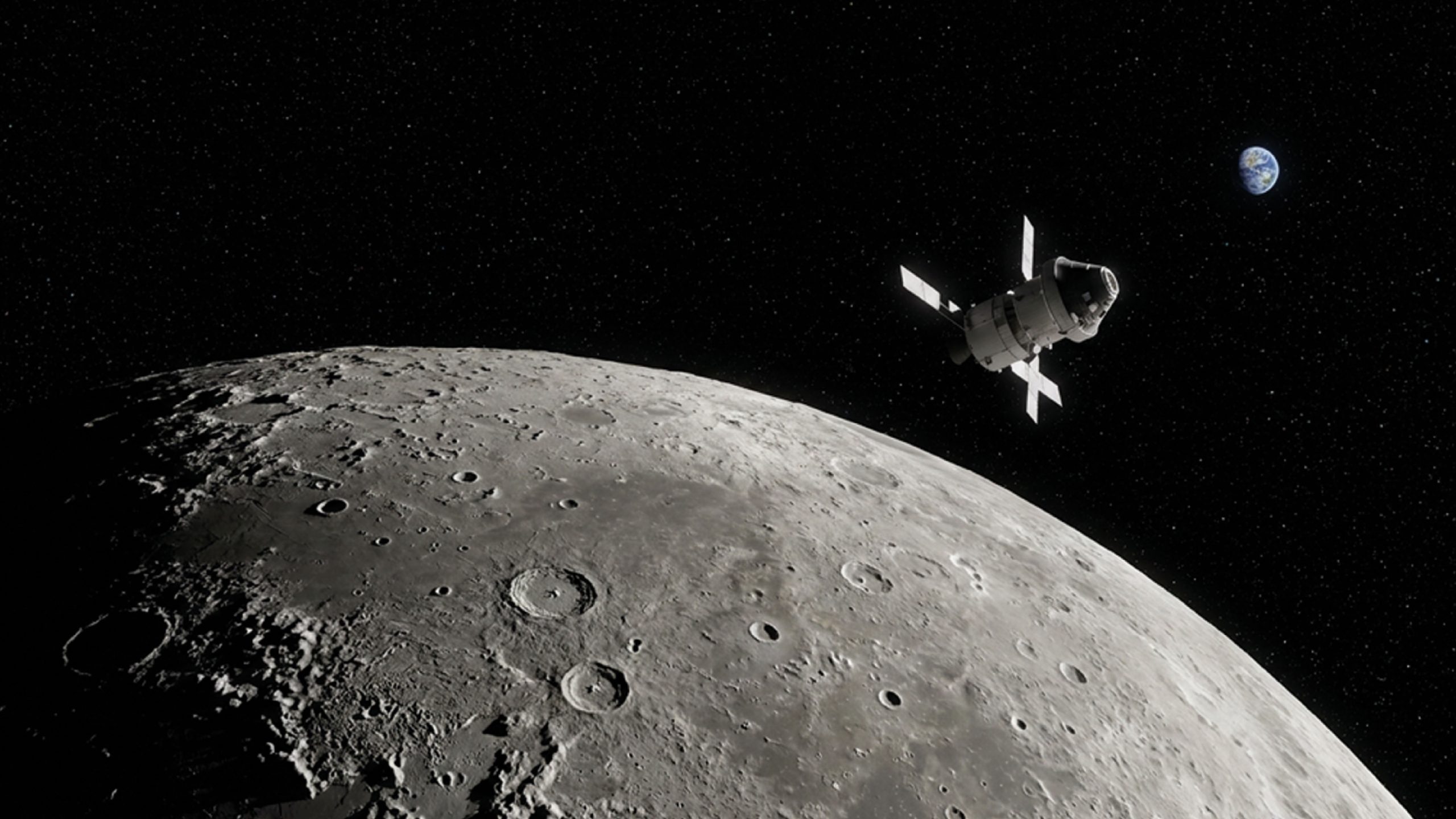
For Artemis III, NASA will adopt an architecture that involves different space vehicles. At first, the lunar module developed by Blue Origin will be sent into space. Right away, the crew will depart aboard the Orion capsule, launched by the Space Launch System rocket (SLS). Orion will remain attached to the lunar module for a few days.
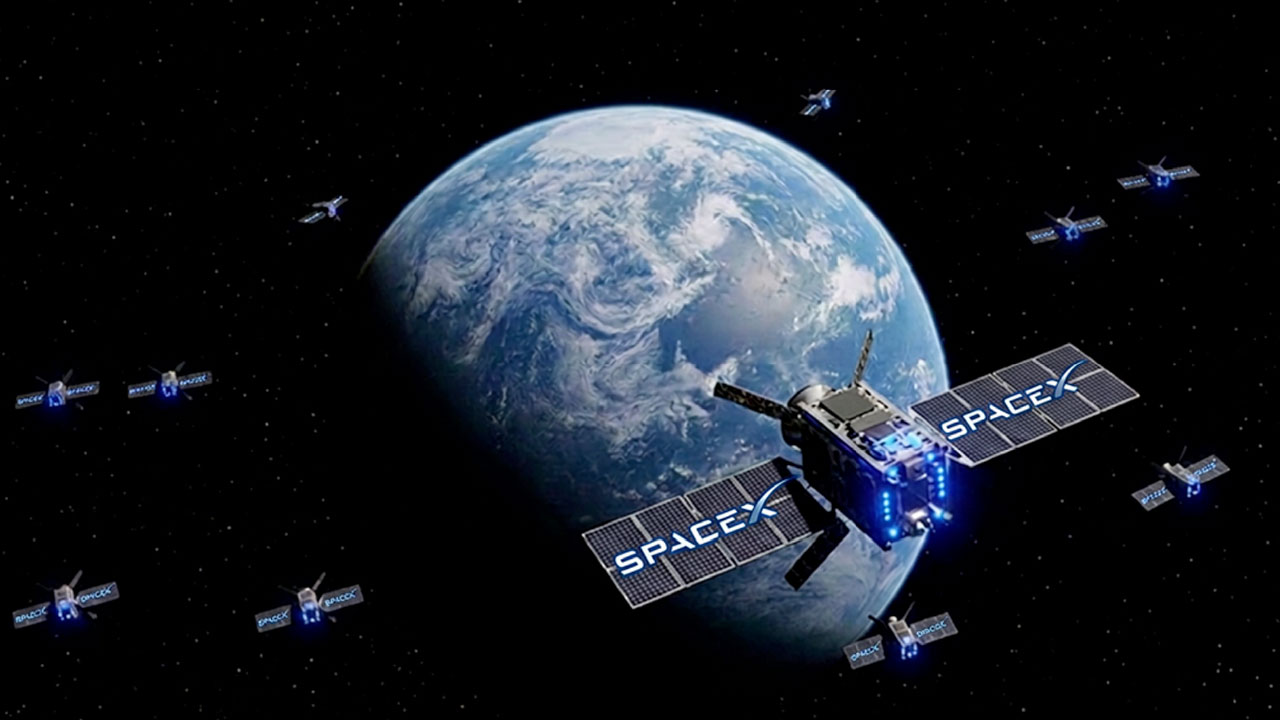
After, a starship, da SpaceX, will be launched to carry out a rendezvous and docking operation with the spacecraft. At the end of the mission, astronauts will return to Earth aboard Orion, ending the trip with a splashdown. The change in strategy is part of the preparation for the Artemis IV and Artemis V missions, planned for 2028. In them, NASA will resume manned landing attempts on the moon, using already validated data and technologies.