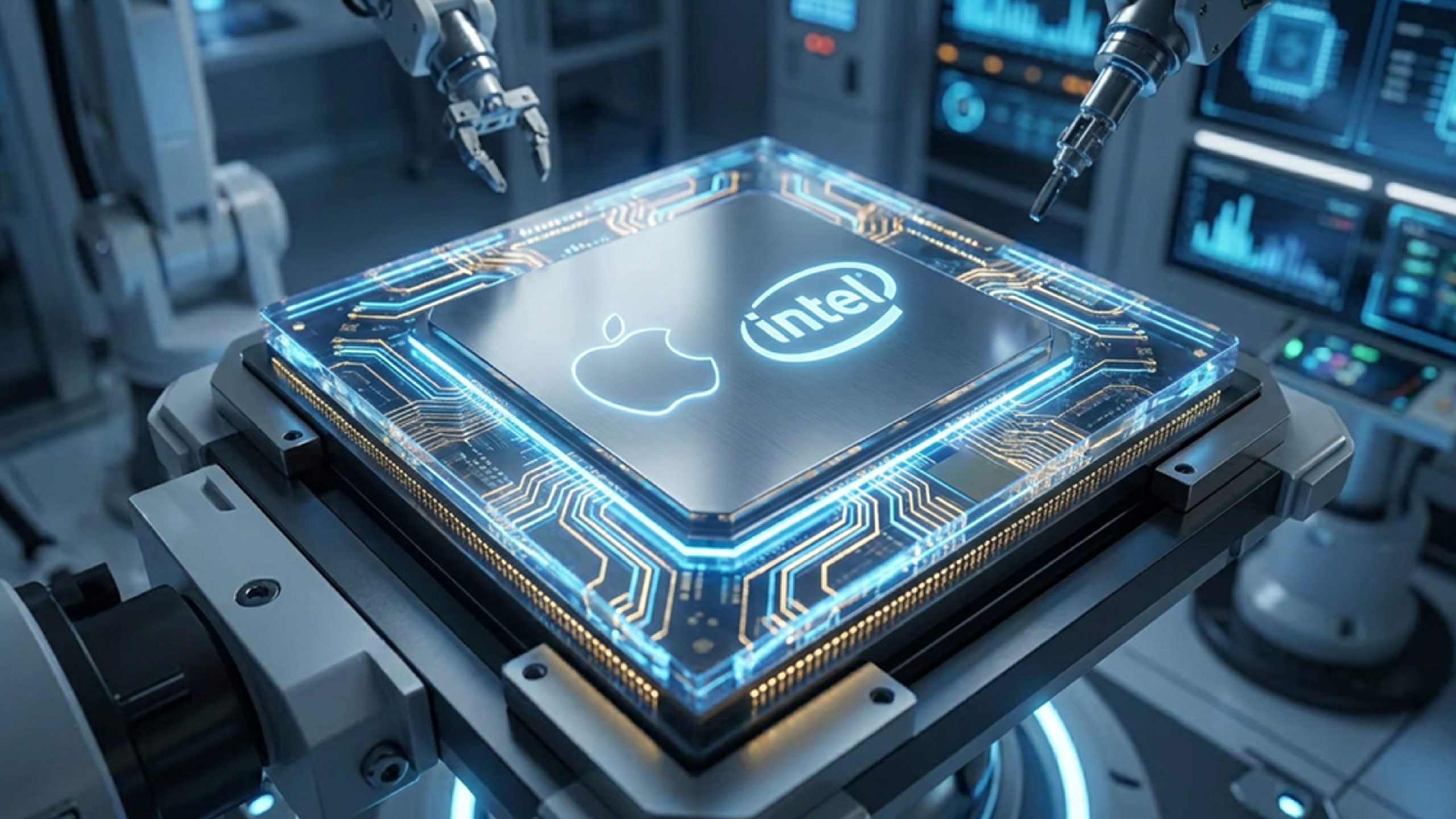
The United States is looking for alternatives to strengthen the chip and semiconductor market. A possible agreement between technology giants Apple and Intel would have been signed to produce the product on American soil. The information was stated this week by Donald Trump himself, US president, in a publication on the Truth Social network.
If the agreement is confirmed, Intel will gain a hugely important customer and Apple will expand its manufacturing options. According to Trump, Apple would have signed an agreement with Intel to develop and manufacture chips to expand the company's participation in the semiconductor market. With strengthened national manufacturing, the country seeks to reduce commercial dependence on China, current global leader in the segment, and other Asian hubs.
At the moment, Apple depends on Taiwanese manufacturer TSMC to produce its most advanced chips. But, the growing demand for semiconductors aimed at artificial intelligence has increased the competition for productive capacity, especially among companies like Nvidia and AMD, making access to manufacturing lines increasingly competitive.
Movement between investors
The companies have not officially confirmed the matter, but the information reinforces reports present in the technology market for months. After the publication of Donald Trump, investors reacted immediately, with Intel shares advancing about 6,5% in pre-market negotiations.
According to the Wall Street Journal, Intel reportedly reached a preliminary agreement to manufacture some chips for Apple after more than a year of negotiations. Although details have not been released, the possibility of supplying components to one of the largest electronics manufacturers in the world is seen as a great opportunity for the company.
The American president had previously commented that he “should have asked for a bigger stake” in the chipmaker. Aiming not to depend on China, the government has expanded actions aimed at the security of semiconductor and critical mineral supply chains, including the acquisition of shares in companies.