In a short time, Generative AI has become a powerful tool for corporatism. But, its massive use, has represented sustainable and social challenges across the planet. Despite optimizing processes and reducing waste, Today's AI models are recognized for their high energy consumption. Faced with this, technology companies must reflect on practices to mitigate the harmful effects of technology.
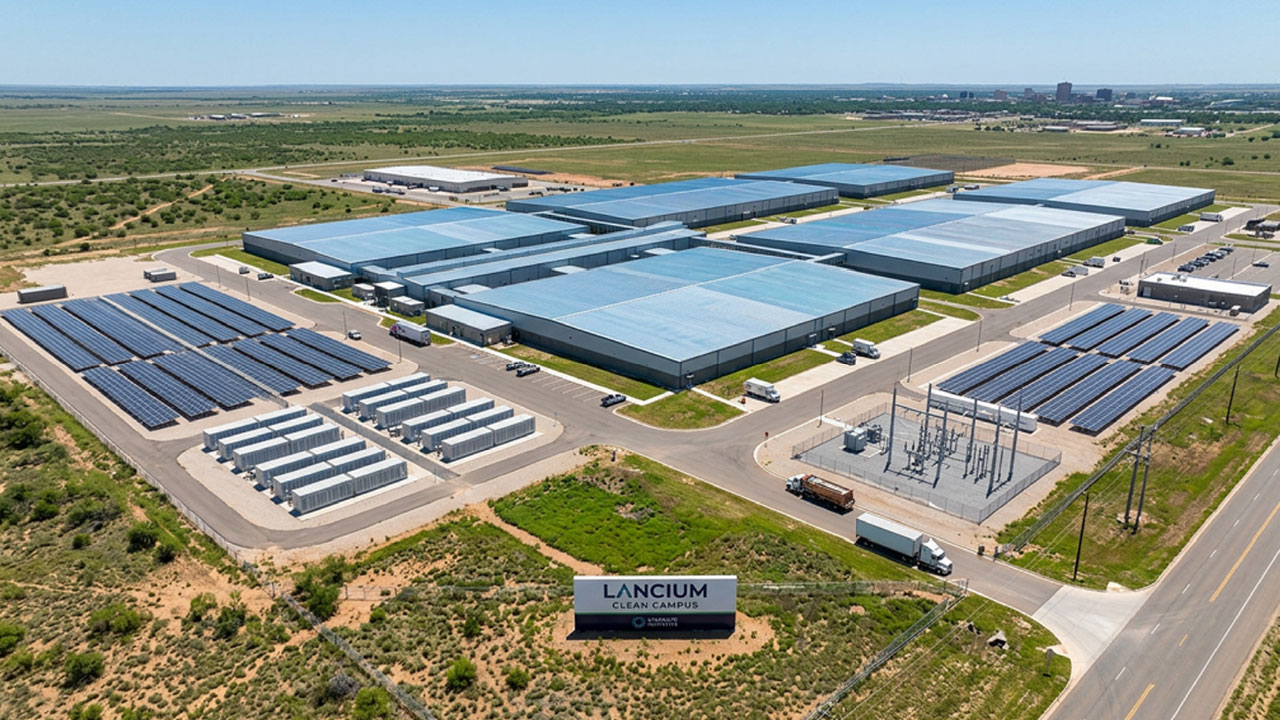
At the moment, Developers have a lot of energy use to train and operate large AI models. A recent study has already demonstrated that this training can be equivalent to the emission of a car throughout its useful life. In this scenario, Brazil could be a strategic location for new sustainable infrastructures to be developed for technology.
How the solution would be to adopt renewable energy sources, the country would be ideal for investments in the area, since it is a much cleaner energy matrix than the world average. By relying on renewable sources such as hydroelectric plants, solar and wind, Brazil would be the ideal place to implement data centers and infrastructures that enable more sustainable AI. Another alternative on the market would be the development of more efficient algorithms.
Truly efficient technology
The benefits brought by AI to the globalized and competitive market are unquestionable. Inclusive, AI also offers sustainable benefits for companies. Technology has already made it possible to optimize supply chains, the creation of ecological materials, the predictability of demands that avoid waste, in addition to improving energy efficiency in industrial processes. Nonetheless, so that the benefits are truly sustainable, the technology itself needs to be used with greater responsibility.
Generative AI can develop while respecting the limits of impacts on society and the environment. That's why, beyond sustainability, social issues are also challenges for the current generative model. Apart from the integrity of the information generated by technology, inequality in the labor market and the displacement of traditional jobs are also concerns.