Recent market analyzes have proven the positive results of artificial intelligence for the industry. Technology has managed to manage one of the sector’s main problems: production lines interrupted. According to the AlphaBOLD study, in the last three years, 82% of industrial companies faced unforeseen shutdowns, generating an average cost of US$ 260 thousand per hour of downtime.
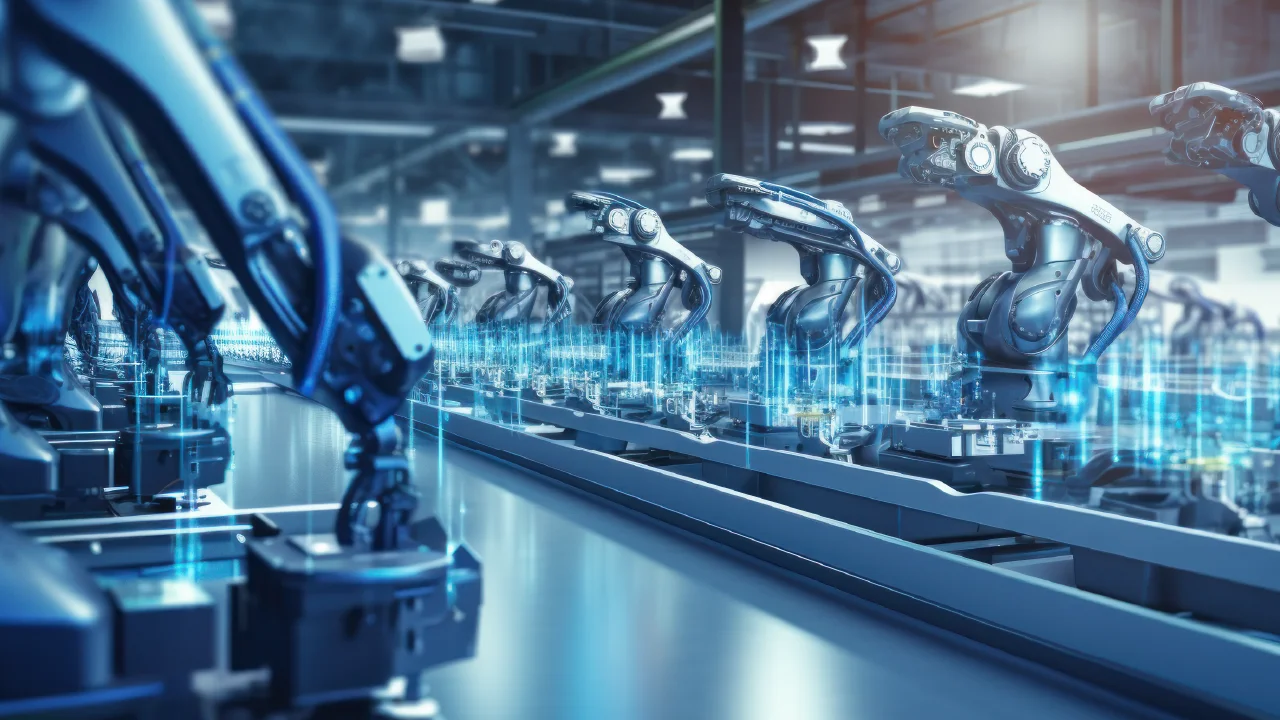
Predictive maintenance powered by AI mitigates the problem, detecting faults and anomalies not usually noticeable to staff. The results are possible through intelligent sensors integrated into industrial equipment, data collected in real time and Machine Learning methodologies. Stops in the production chain, in addition to increasing operating costs, compromises deadlines and affects the entire logistics delivery chain.
Variable monitoring and scheduled maintenance
But, the current advancement of AI and the wide range of solutions available enable quick decisions and preventive actions based on evidence and monitoring of variables, like pressure, vibration and temperature. Predictive models are launched, who are alert to any atypical behavior in operations that anticipate a production stoppage. A common example is changes to barrier systems that, generally, demonstrate anomalies imperceptible to the human eye.
All this data allows the company to schedule maintenance at the right time, reducing downtime and avoiding losses, such as high costs, operational losses and repairs. With the predictability provided by the use of AI, the industrial sector has become more competitive, since managers are prioritizing other demands, such as resource reallocation, early replacement of parts and production chain cadence.
Market offers affordable solutions
The use of AI in industry is no longer exclusive to large corporations. At the moment, the market already has increasingly accessible and scalable solutions, enabling medium-sized companies to also adopt the model without great costs or efforts. Despite technological advances, many industries operate with a reactive mindset, focused on corrective maintenance and outdated monitoring models. That's why, One of the industry's challenges is to adopt the use of AI tools and solutions, understanding that technology will not replace human labor, just improve.