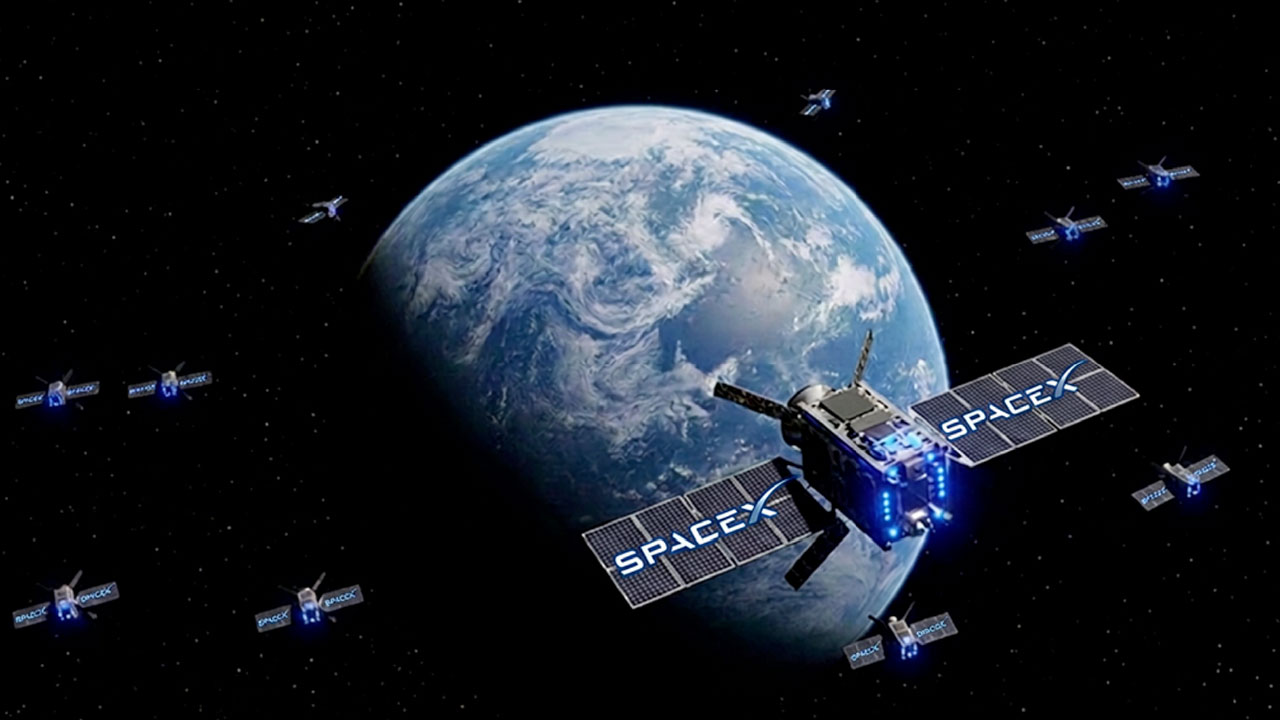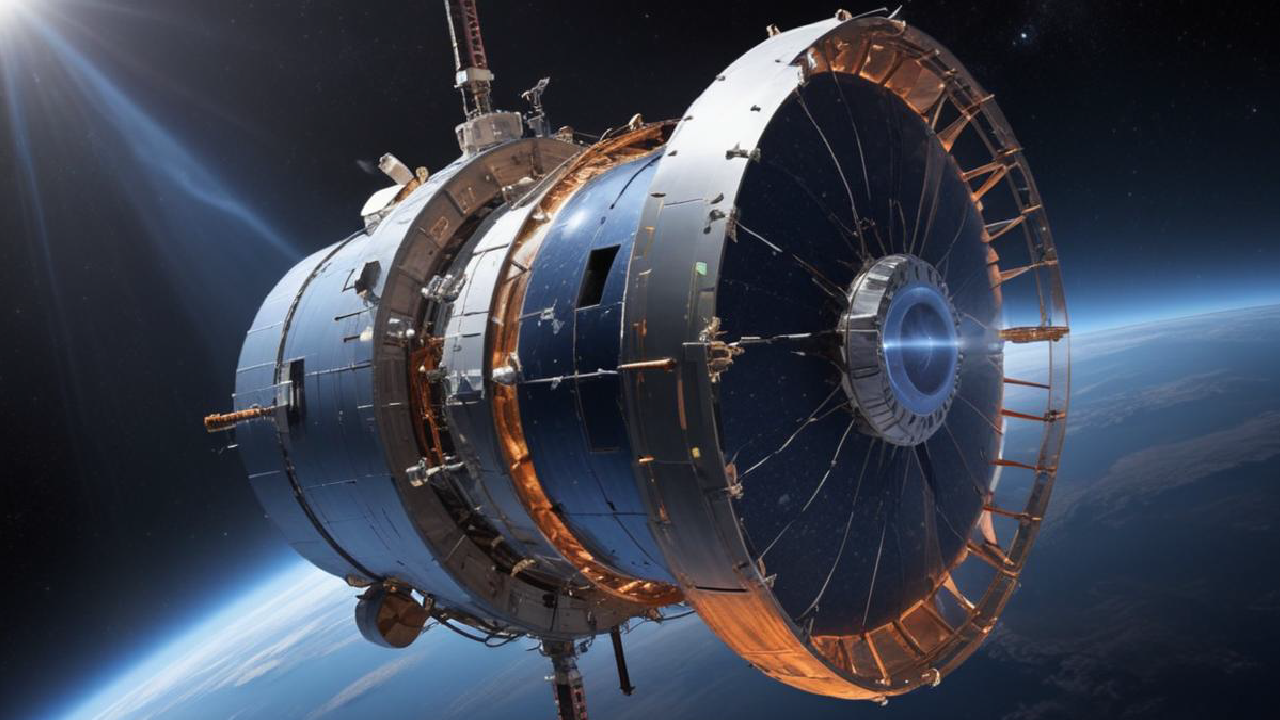
After a study to launch data centers in space, other new projects in the area continue to be announced. American startup Star Catcher Industries works on launching the world's first space power grid. The startup seeks to enable the implementation of a proprietary infrastructure on a network and in orbit, called “Star Catcher Network“.
The electrical grid will be responsible for transmitting energy to other satellites located in low Earth orbit (LEO). With the aim of expanding energy generation capacity in different services, Star Catcher currently calls itself “a pioneer in space-based power generation”.
To develop the project, the startup received an investment of more than US$ 12 millions to invest in innovation. The focus is to provide secure energy use for future high-performance space operations. Among them would be computing in orbit, remote sensing, manned space flights, security operations and telecommunications services.
How the space power grid will work?
The “Star Catcher Network” will be made up of proprietary satellites – i.e., It will be an infrastructure that works together, capturing and transmitting solar energy to other equipment. The proposal is that solar panels from satellites already in orbit are used in the dynamics.
These satellites would be like energy receiving clients from the energy grid, also called Power Nodes. A single Power Node will have 150 KW in power transmission capacity and can transmit power to multiple customers simultaneously.
The innovative structure will have greater energy concentration, increasing the time of activities performed. For that, it will take approximately 840 annual megawatts of energy to power all hosted systems.
10 times more energy
Beyond power supply, Power Nodes will also be responsible for tracking and identifying new customers (satellites) that require transmission. The innovative project promises to 5 e 10 times more energy, when compared to current equipment.
With new investments, the prediction is that by 2030 more than 50 thousand satellites are hosted in low Earth orbit. “Energy infrastructure is the fundamental building block of civilization and industry. Our goal is to expand this base into LEO and beyond through our space energy network.”, confirmed in an official note the co-founder and president of Star Catcher, Andrew Rush.
Installation in 2025
Before it became something viable, The project will face some challenges. Space services still face energy restrictions in space operations. At the moment, the energy capacity is much lower than that proposed by the startup project.
This is because the current orbital energy operates with 40 megawatts. The first investments in the project were made in July this year, not total value of US$ 12,25 million. Now, the first demonstrations of the electrical network will be carried out on Earth, with the forecast of going into orbit by the end of 2025.